

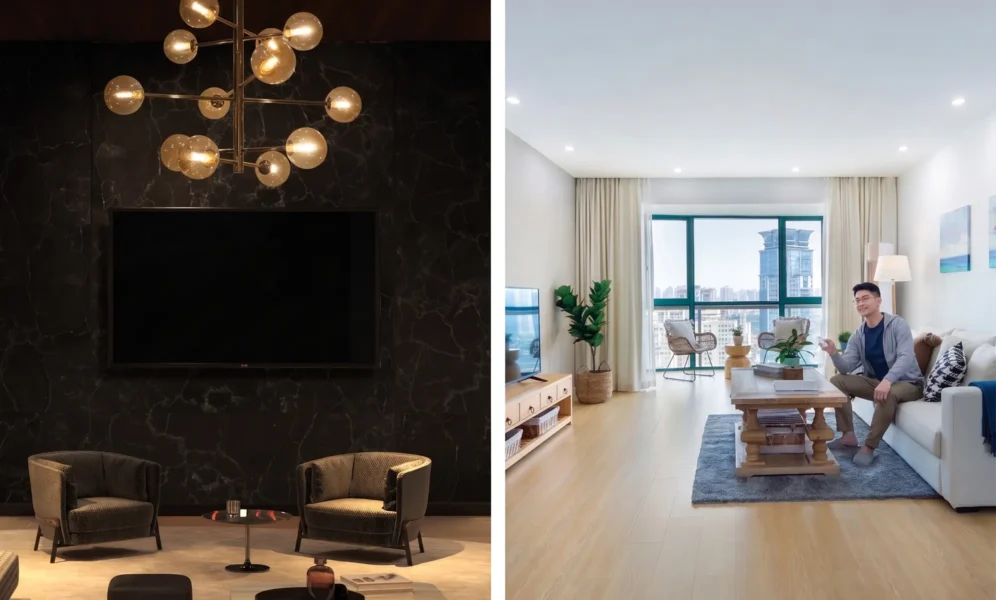
Choosing the right light colour is one of the most important decisions in home lighting. Many people select lights based only on design, but the colour of the light can completely change how a room looks and feels.
Warm white light can make a space feel soft, calm and comfortable. Cool white light can make a space feel brighter, sharper and more active. That is why the same light colour should not be used in every room.
In this guide, you will understand the difference between warm white and cool white light, where to use each one, and which light colour is best for Indian homes.
What Is Colour Temperature in Lighting?
Colour temperature means the colour appearance of light. It is measured in Kelvin, shown as K.
Lower Kelvin gives a warmer, yellowish light. Higher Kelvin gives a whiter or bluish light.
Common LED light colour temperatures include:
- 2700K to 3000K: Warm white light
- 3500K to 4000K: Neutral white light
- 5000K to 6500K: Cool white or daylight
Understanding colour temperature helps you choose the right lighting for comfort, visibility and mood.
What Is Warm White Light?
Warm white light usually falls between 2700K and 3000K. It gives a soft yellowish glow and creates a calm, cosy and relaxing atmosphere.
Warm white light is mostly used in spaces where comfort and mood matter more than sharp brightness.
Best places to use warm white light:
- Living room
- Bedroom
- Dining area
- Lounge area
- Decorative lighting
- Wall lights
- Chandeliers
- Pendant lights
Warm white lighting is a good choice for Indian homes because it makes interiors feel more welcoming, premium and comfortable.
What Is Cool White Light?
Cool white light usually falls between 5000K and 6500K. It gives a brighter, whiter and more focused light.
Cool white light is useful in areas where visibility, activity and clarity are important.
Best places to use cool white light:
- Kitchen
- Bathroom
- Study room
- Utility area
- Work area
- Garage
- Commercial spaces
Cool white light can feel energetic and clear, but if used everywhere, it may make a home feel too harsh or clinical.
Warm White vs Cool White Light: Quick Comparison
| Point | Warm White Light | Cool White Light |
|---|---|---|
| Colour tone | Yellowish and soft | White or bluish |
| Kelvin range | 2700K to 3000K | 5000K to 6500K |
| Mood | Calm, cosy and relaxing | Bright, active and focused |
| Best for | Bedrooms, living rooms, dining areas | Kitchens, bathrooms, study rooms |
| Interior feel | Premium and warm | Clean and sharp |
| Comfort level | More relaxing | More functional |
| Common use | Decorative and ambient lighting | Task and utility lighting |
What Is Neutral White Light?
Neutral white light usually falls around 3500K to 4000K. It sits between warm white and cool white.
It is not too yellow and not too white. This makes it a balanced option for spaces where you need both comfort and visibility.
Best places to use neutral white light:
- Kitchen
- Dressing area
- Office
- Study room
- Bathroom
- Retail spaces
- General home lighting
If you are confused between warm white and cool white, neutral white can be a safe middle option for many rooms.
Best Light Colour for Each Room
Living Room
For living rooms, warm white or neutral white lighting works best. The living room is used for family time, guests and relaxation, so the lighting should feel comfortable.
Recommended colour:
Warm white or neutral white
Best lighting options:
- Ceiling lights
- Chandeliers
- Wall lights
- Profile lighting
- Cove lighting
- Decorative lights
Bedroom
Bedrooms should feel peaceful and relaxing. Warm white light is usually the best choice because it creates a calm mood.
Avoid very cool white lights in bedrooms because they can feel too bright during night hours.
Recommended colour:
Warm white
Best lighting options:
- Bedside lights
- Wall lights
- Cove lighting
- Dimmable lights
- Warm ceiling lights
Kitchen
Kitchen lighting should be clear and practical. You need proper visibility while cooking, cutting and cleaning.
Neutral white or cool white works better in kitchens because it improves clarity.
Recommended colour:
Neutral white or cool white
Best lighting options:
- Ceiling lights
- Task lights
- Under-cabinet lights
- Spotlights
- Profile lighting
Dining Area
Dining areas should feel warm and inviting. Warm white light creates a pleasant mood and makes the dining space feel more comfortable.
Recommended colour:
Warm white
Best lighting options:
- Pendant lights
- Chandeliers
- Wall lights
- Warm ceiling lights
Bathroom
Bathrooms need clear and clean lighting, especially near mirrors. Neutral white or cool white is usually better for daily use.
Recommended colour:
Neutral white or cool white
Best lighting options:
- Mirror lights
- Ceiling lights
- Spotlights
- Wall lights
Study Room or Home Office
Study rooms and workspaces need lighting that supports focus. Neutral white is usually the best choice because it is bright without feeling too harsh.
Recommended colour:
Neutral white
Best lighting options:
- Ceiling lights
- Desk lights
- Task lights
- Focus lights
Outdoor Areas
Outdoor lighting depends on the purpose. Warm white works well for gardens, balconies and façade lighting. Cool white can work for security, parking and utility areas.
Recommended colour:
Warm white for ambience, cool white for visibility
Best lighting options:
- Garden lights
- Façade lights
- Wall lights
- Gate lights
- Pathway lights
Common Lighting Mistakes to Avoid
Choosing the wrong colour temperature can affect the comfort and look of your home.
Avoid these mistakes:
- Using cool white light in every room
- Using only warm light in kitchens or work areas
- Selecting lights only from photos
- Ignoring room purpose
- Mixing too many colour temperatures in one room
- Choosing very bright lights for bedrooms
- Not checking the actual glow before buying
The best lighting choice depends on the room, mood, activity and interior style.
Warm White or Cool White: Which Is Better?
There is no single answer because both have different uses.
Warm white is better for comfort, relaxation and premium interiors. Cool white is better for brightness, visibility and task areas.
For most Indian homes, the best approach is to use a combination:
- Warm white for bedrooms, living rooms and dining areas
- Neutral white for kitchens, bathrooms and study rooms
- Cool white for utility, work and high-visibility areas
This gives your home the right balance of beauty and function.
How Volteca Helps You Choose the Right Light Colour
Lighting can look different in real life compared to catalogue images. That is why it is better to see the actual glow before final selection.
At Volteca in Bhuj, you can explore different lighting options, compare warm white, neutral white and cool white effects, and understand which light colour suits your space.
Our team helps homeowners, architects, interior designers and project teams choose lighting based on room type, interior style, brightness requirement and product preference.
Final Thoughts
Warm white and cool white lights both have their own purpose. Warm white creates comfort and mood, while cool white improves visibility and focus.
Before choosing lights for your home, think about how each room will be used. Living rooms and bedrooms need softer lighting, while kitchens, bathrooms and workspaces need clearer lighting.
If you are planning lighting for a new home, renovation, office or commercial project, visit Volteca in Bhuj to experience the actual glow, finish and product quality before making your final selection.